Showing posts with label adirondack. Show all posts

Saturday, December 09, 2006

Welcome, Winter

Snow has finally started to accumulate around the house, and undulating ribbons of ice are forming atop the various small bays around the lake. For now, the main body of the lake continues to resist dropping temperatures and frozen precipitation, its current still marching on. Having wavered now for several weeks, it seems that the environment around us has plunged into Winter at last.

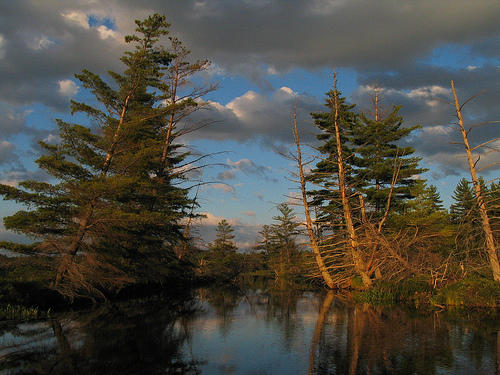
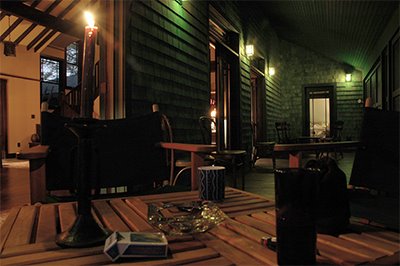
It's at these times that I sometimes like to think of the season we've just left behind, as a kind of farewell. This picture was taken during a warm and languid Fall evening several weeks ago. Welcome, Winter.

Saturday, December 02, 2006

What a difference a year makes

These days, it seems that global warming is a foregone conclusion, as scientific evidence mounts and public discourse on the subject becomes ever more unified around the world. It seems difficult to predict what effect global warming will have on the unique and sensitive ecology of the Adirondacks, except to say that there will certainly be an effect.

Old Forge, now in Zone 3, could find itself in Zone 5 or 6 in the decades to come. This past summer, it seemed that a common refrain among people was, "I've never seen that in all my years in the Adirondacks." Temperatures soared into the 70's in mid-April, huge clouds of lime green pollen descended everywhere in June, just as vast fields of forget-me-nots appeared everywhere. Birds seem to be migrating later in the Fall, and there are far fewer frogs than in decades past. Most visibly, more trees seem to be succumbing to disease and violent storms than ever before.


As I was taking pictures of the lake over Thanksgiving weekend (above), I thought I'd look at similar pictures I took the same time last year (below). And while it doesn't prove anything, it is remarkable to see the difference a year makes.

Monday, November 27, 2006

Musee du Quai Branly


Now I know that this is a blog about the Adirondacks, more or less, so it must seem strange that we post things about Paris every now and then. Well, we can't help it. We simply love Paris, and there it is. But this post about the French capital does have some relevance to the Adirondacks.


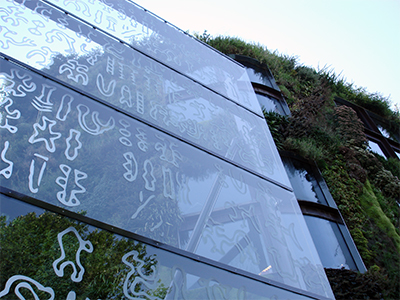
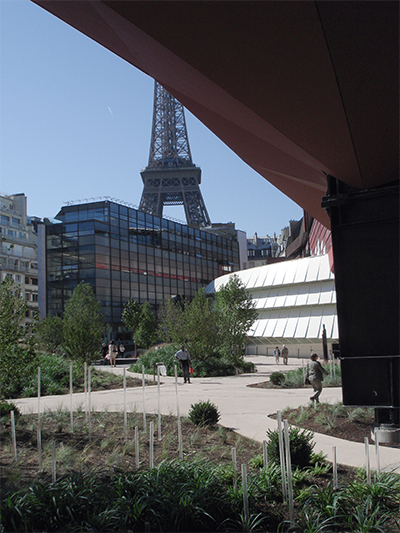
During my last trip to Paris in late September, I visited the new Musee du Quai Branly, a long overdue addition to the museum scene of the city. This museum is devoted to tribal and so-called primitive art from all over the world. The collection is extensive and stunning, a living catalogue of many brilliant cultures that preceded us, and some that persist. The building is a marvel, the latest installment of Jean Nouvel's rather iconoclastic career. Glass gives way to moss-laden walls, which terminate into rust-colored masses, much of it suspended over the garden. And it is the garden that really struck me. Here, in the shadow of the Eiffel Tower and a five-minute walk from the Boulevard St-Germain, I found myself gazing upon paper birches and all manner of ferns, from delicate wood ferns to gargantuan ostrich ferns. The garden is meant to be a collection of specimens from all over the world, a horticultural encyclopedia to match the collections inside. For me, it was a little piece of the Adirondacks firmly planted in the Right Bank.

Turkey afterglow


After weeks of rather unsettled weather, Nature finally smiled upon the Adirondacks this weekend. In town, a few pockets of activity - generally related to Santa and all that he brings - do not diminish the deep quiet that has fallen over the lakes. At this time of year, few birds and even fewer boats traverse the water, so that the stillness of morning lasts longer now than at any other time of year. Those perfect watery reflections, sought after so often by photographers, become less fleeting, undisturbed for several hours after sunrise. The ground, too, has become hushed, able only to produce a mere rustle of leaves. It is easier to navigate the forest this time of year. Most plants have died back, leaving only the most nascent of evergreen saplings, and so one can walk freely without fear of trampling delicate lady ferns, hostas or blueberry plants.


This morning, the quiet was briefly interrupted by the unmistakeable call of a loon, which startled me. Generally, loons have vacated the area by now, seeking their own version of a beachfront condo. But this one, for reasons unknown to me, had remained. Perhaps it was just me, but his call seemed more drawn out and urgent during these most quiet days of the year. Not having to busy himself with worries of predators and boat propellers, he seemed all the more aware of his predicament. It's as if, having missed his flight with all of the other loons, he found himself unable to book another, his frequent flier miles no longer valid and his three-ounce bottles and plastic bag not up to the standards of the loon TSA. I suspect that he knows all this, that he is resigned to his fate. But at least he's not going quietly.

A Christmas tree, by any other name ...


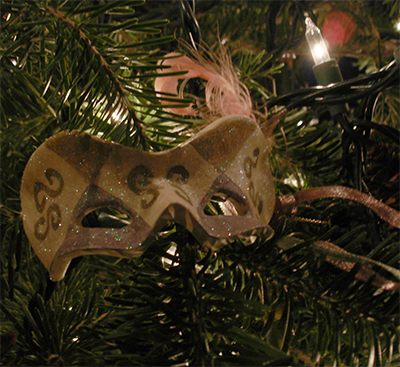
So we bought a Christmas tree this weekend. We just had to. One of the many advantages of the Adirondacks is that you can buy the freshest, most beautiful nine-foot tree you've every seen for only $25. In New York, things are rather different. The day after Thanksgiving, legions of Christmas tree farmers from all over the country bring their wares into Manhattan and set up shop on street corners everywhere. Typically, they stay with their trees 24 hours a day, staking out their territory and protecting their merchandise from theft. Of course, there are rewards for such vigilance. A nice Christmas tree in New York can run you about $200. If you're more interested in the Charlie Brown variety of Christmas tree, it will cost you around $50. In Manhattan, everything gets marked up.


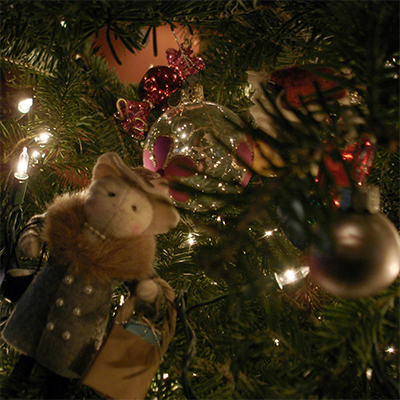
Before we built our house, we used to go for a middle-of-the-road tree: three feet tall, full and perfect. A cool $100. Exactly the size of tree you'd want in a tiny one-bedroom apartment. Over the years, we collected ornaments to suit it. Miniature glass balls, tiny figurines in wood, porcelain or glass. And, of course, a diminutive angel for the top. Our trees were always charming, if a bit Lilliputian. When we bought our first Adirondack tree, our ornaments, collected so carefully over the years, barely made a dent in it. Our tree had grown three-fold to a perfect nine-foot specimen, complete with lovely, delicate pine cones; but our ornaments couldn't keep up with it. So we scrambled to acquire enough large ornaments just to get us past the point of the ridiculous. Even now, our tree seems slightly disjunctive - an uneasy truce between our New York ornaments and their newer, larger Adirondack cousins.
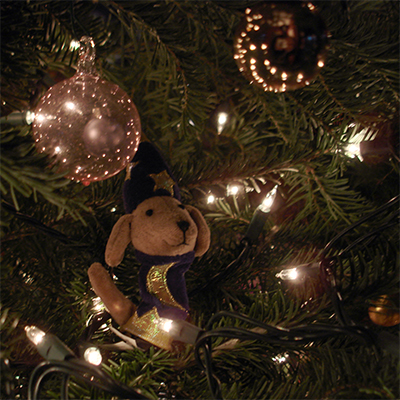

Still, I love decorating the tree. As I pull out lights and ornaments left unseen for eleven months, all the little stories of their purchase come flooding back. Past trees, past holidays, even those from my earliest memory, reassert themselves in a way that seems appropriate only this time of year. I remember ornaments fashioned from construction paper in nursery school, or a nest I made of twigs, leaves and Elmer's glue in Kindergarten. For me, Christmas retains a constancy unlike any other holiday.

And yet, the tree means something different to me now. I am older, which is perhaps part of it. But also, our household is an interfaith one, combining the traditions of Judaism and Catholicism. So now, the tree acts as a convergence of two faiths. It is as much Hanukkah Bush as it is Christmas Tree. Today, as we were decorating the tree, we were talking about how the Tree of Life is such an important symbol in so many cultures and religions. We discussed the Tree of Knowledge and its significance in the Judeo-Christian tradition. And so our tree, whatever we call it, has become a Tree of Knowledge of sorts: knowledge of each other, of what we've been through together, of what we hope for the future. In the end, the tree is what we make of it.
Friday, November 17, 2006

Antique Adirondack Maps

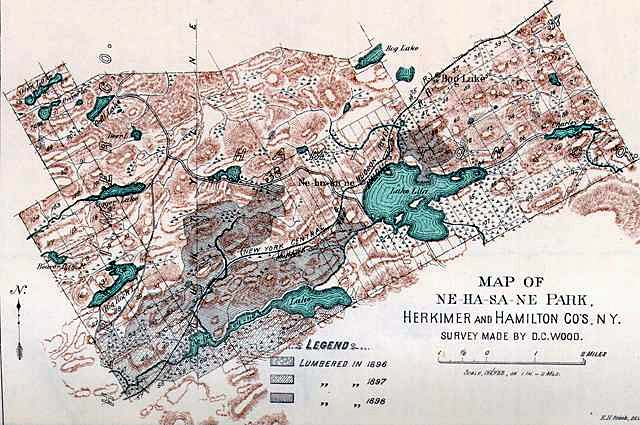
Antique maps have hung on the walls of Penwood since before I was born. The maps show the Park in all its forms, divided by lot numbers, tracts, and otherwise. Here is a map of Ne-Ha-Sa-Ne Park in Herkimer and Hamilton counties. Survey by D.C. Wood.

Thursday, November 16, 2006

Adirondack Restaurant Review: The Woods Inn

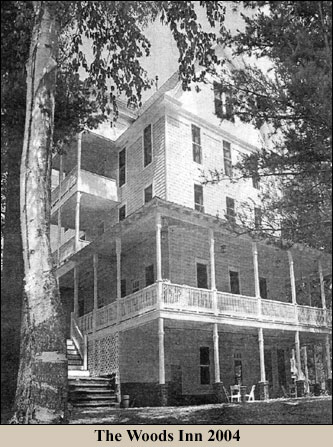
We were thrilled that the old Wood Hotel in Inlet was purchased and brought back to life a few years ago. The prospect of a real hotel being renovated and put into action was exciting. And Joedda McClain and Jay Latterman, owners of the new Woods Inn, did a lovely job with the renovation. But the restaurant has had serious problems from the first day. We dined at The Woods Inn about ten times over two years and never had a good experience. On one occasion, we felt ill after eating a bad sandwich. The last time we visited, following the addition of a well-respected chef, Derrick Feitleau, it was only marginally better. We still waited around for someone to seat us, then sat in the uncomfortable dining room under fluorescent light bulbs eating unremarkable fare. We want the Woods Inn to succeed but, at least on the food front, it looks like we are not going to get any satisfaction. A fish fry was bland and uninspired, served on a plain plate with no garnish. What seemed to be dinner rolls made by the Wonder Bread company were served in a paper napkin. The waitress conveniently wrote her name on the paper table cloth so we'd remember her name. These are all bad signs. When the dinner rolls showed up, I knew we were in trouble again. Chef Derrick sent out some nice complementary appetizers, including some mussels, which were good, but not great. But it spiraled down hill from there. The prime rib was tough and bland. And the service was like the kind you expect at Denny's. It's unfortunate that The Woods Inn restaurant has had such a tough time getting itself going. We gave it two years but have finally given up, which is sad since the need for good food really outweighs the need for somewhere to sleep in the Adirondacks.

Tuesday, November 14, 2006

Raquette Lake, New York

Raquette Lake is a big lake, but a small, small town. The town itself has not much more than a post office and a church. There is a little general store that has nothing more than bare necessities and some twiggy Adirondack gifts. The challenge of Raquette Lake is not just its size, but the fact that many, if not most, homes on the lake have no road access. Accordingly, residents must boat all provisions to their homes in the summer. In the winter, if the homes are even winterized, the options are more limited. We toured Camp Pine Knot, now known as Camp Huntington, one of the original Great Camps owned by Collis P. Huntington and now by the State University of New York at Cortland. We learned that enough fuel, food and provisions are stocked for the caretaker to make it through the long, cold winter. During that time, the lake is passable by snowmobile and truck for only part of the time. As the ice melts, there is no way to get to or from the camp. We think that this is roughing it to the extreme. Another great camp is located nearby. Sagamore was the Vanderbilt family camp and is almost as secluded as those Raquette Lake houses with no driveways. Fortunately for Sagamore, it has a long driveway, but even that becomes difficult to navigate in the winter and especially during mud season.

Friday, November 10, 2006

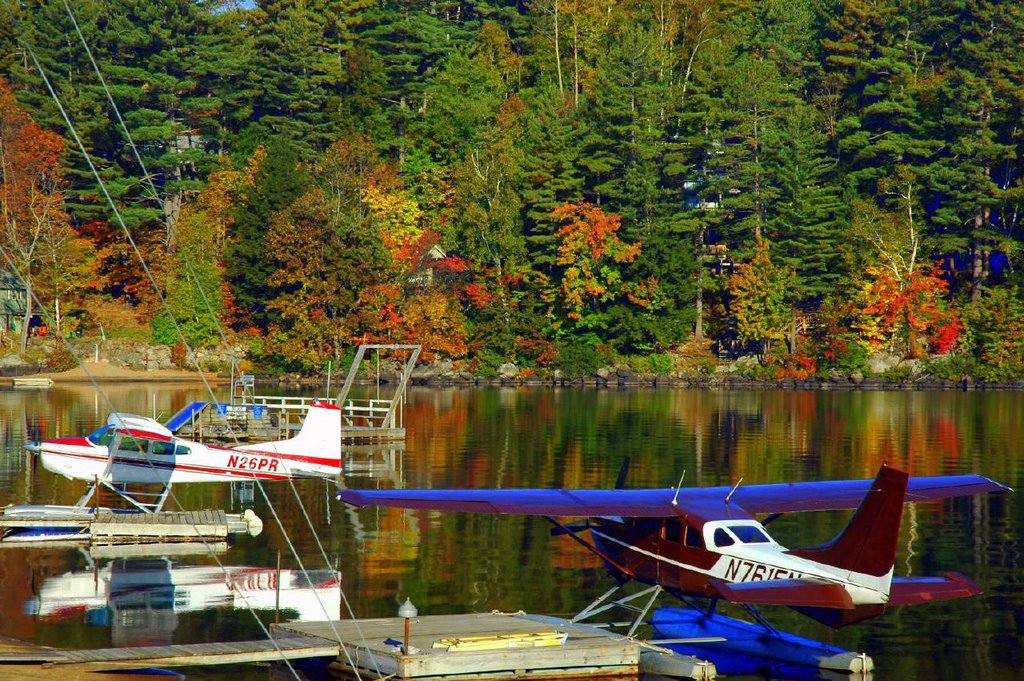
Adirondack Autumn, with Seaplanes


The Boulders, Fourth Lake

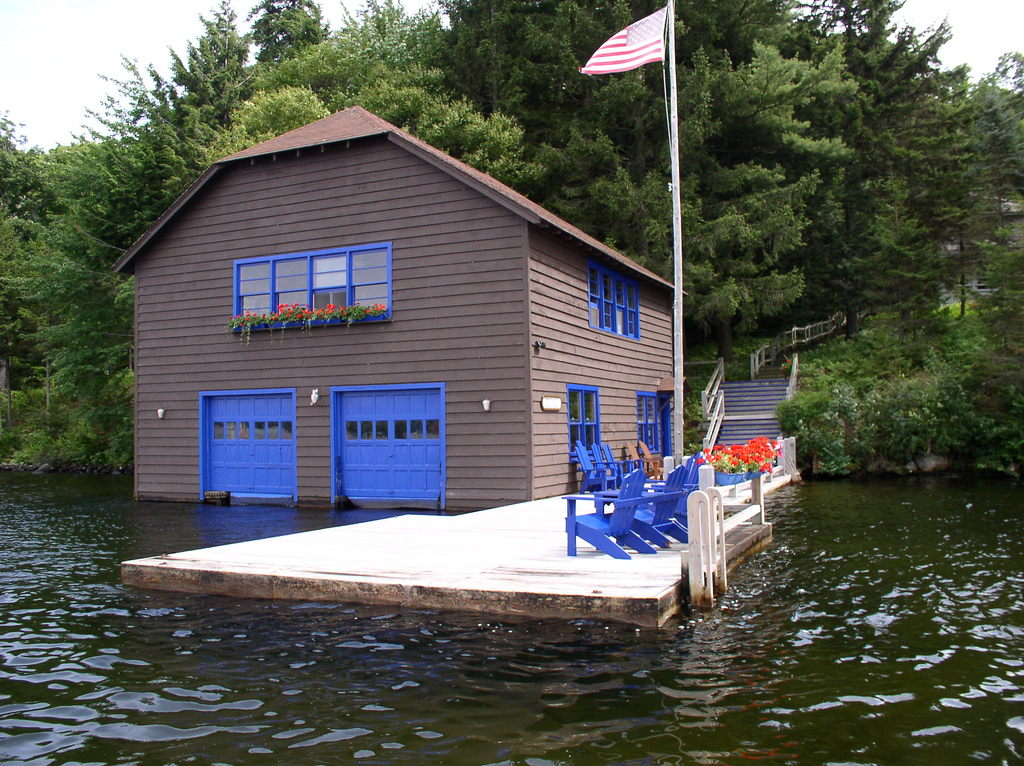
The Boulders boat house is one of the nicest on Fourth Lake. It has two slips, changing rooms inside, and a large game room upstairs. Great colors, too. The Adirondack Boys love the Boulders.

Thursday, November 09, 2006

When Taxidermy is Tasteful

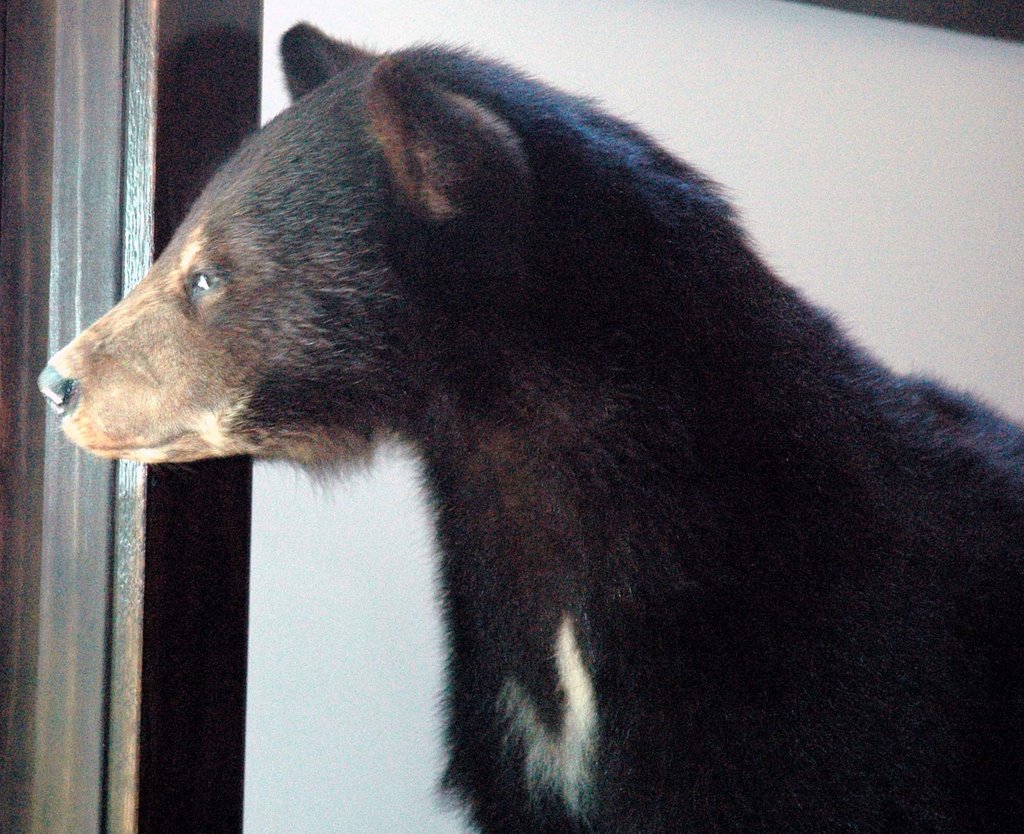
We aren't big fans of taxidermy. Dead, stuffed animals are not our thing. But sometimes, but rarely, we find that it works. This is our baby bear, killed accidentally by a car. He stands watch, looking out a window that can be seen as you approach the front door of the house. Which is amusing for guests and other visitors. Tasteful taxidermy happens by chance; it is never sought out. We happened to inherit this bear for the winter season last year, when the main lodge was closed, and he stayed with us all summer, and now into the fall. Many great camps, including Penwood, have deer feet that are used as coat or hat hangers. We can understand that. But not this: we had a brush with the worst kind of taxidermy when we were looking at newly constructed homes in the area to get ideas for our not-yet-started home. One of the homes was built by a local hunter and included more taxidermy than you see at a North Country taxidermy store -- including, very unfortunately, a fetal deer curled up on the staircase ledge. Yes: taxidermy of the unborn. Don't go there. We got the hell out of that place, and fast.

Wednesday, November 08, 2006

A Million Little Mirrors

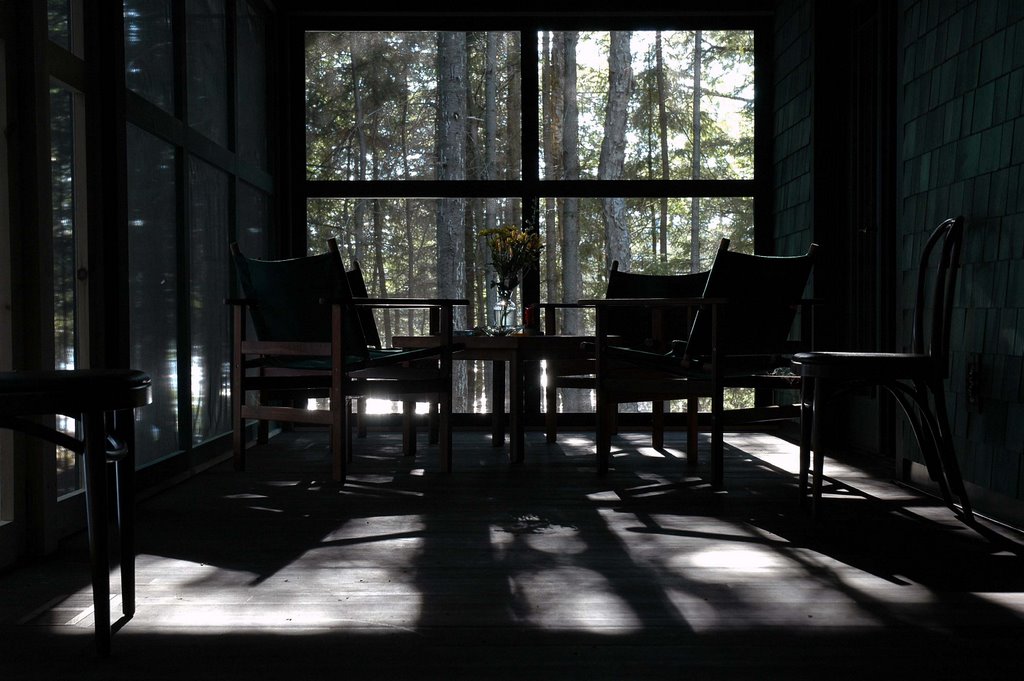
The end of the day during the summer months is our favorite time. The lake becomes a million mirrors reflecting the setting sun into the forest and softly wishing us good night. The screen porch is bathed in light as the shimmer works its way across the point. Here is a perfect Adirondack moment at the end of a summer day.

Tuesday, November 07, 2006

Adirondack Shopping: The Birch Store

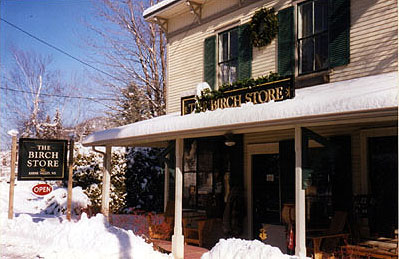
There are more and more unpleasant shops in the Adirondacks: you know the kind - full of twiggy boxes made in China (check the bottom!) and all that ye olde country cabin stuff. The farther you get from the city, the less appealing the shopping becomes. But there are some gems among many duds, and The Birch Store in Keene Valley is one of them. In a charming little house, the store sells cool, modern, fun, edgy accessories for the home. The Birch Store is worth a stop if you get to Keene Valley, and it also has a home on the web for those virtual Adirondack travelers among us. The store is located at 1778 Main Street in Keene Valley.

Photo Credit: The Birch Store

Monday, November 06, 2006

A View of the Forest

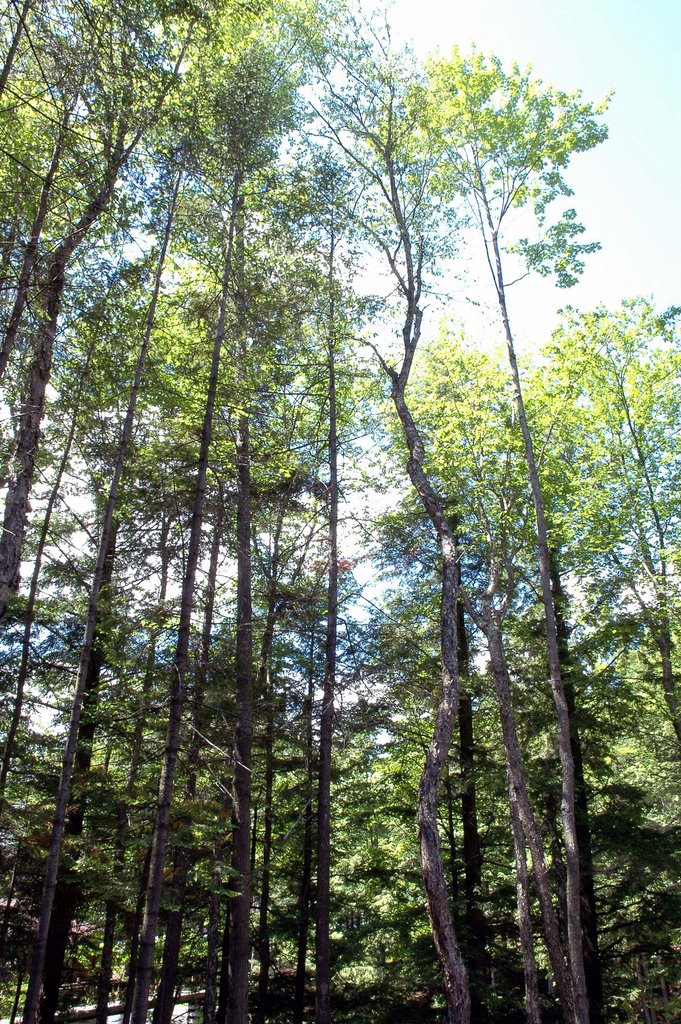
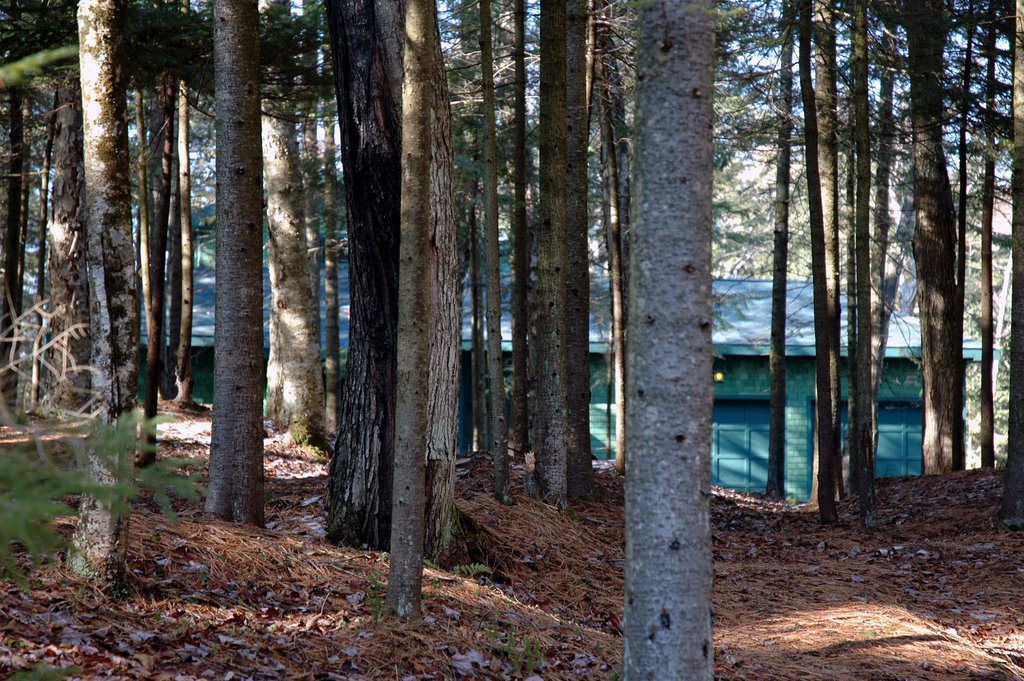
The tall trees around Penwood: slender, reaching for the light. Some of these grand trees, our old friends, were lost as a result of the construction of the new house. One by one, they have died and had to be taken down to avoid the inevitable crash into the house in a windstorm. These trees sway so dramatically in the wind, it's surprising that they lasted so long.

The Old, Crooked Outhouse

Photo Credit: Mark Burstein

This decaying, crooked thing is the old privy, or outhouse, at Penwood. Thankfully, we no longer need to use this, but it remains on the property as a small historic reminder of the fact that plumbing was not part of the original package. In the winter, it looks a little more attractive than it does in the summer -- covered in snow, it could be a hunter's cabin or a warming hut for wayward hikers. But the door doesn't open any longer, and there is no fireplace inside.

Cedar Shingles, One at a Time

We chose to cover our new house in cedar shingles, stained an evergreen color that ages over time. The shingles were hand painted and put up on a clothes line to dry each night. The color is amazing. It is a collection of many colors, really, with the wood grain running through them. The sun, rain and wind weather them nicely over time so that they become a color only nature can create. The only regret we have about the shingles is that we used grade "A" instead of grade "perfection". Grade A has no knots, but it's not quite perfect. I guess it helps with our goal of making the house seem as if it has been here forever rather than a brand new house. But the perfection grade is, well, perfect. Compare the various grades of shingles before you make the choice.

Photo Credit: Mark Burstein

Adirondack Collecting: Antique Postcards

One of our past ebay addictions was antique Adirondack post cards. Here, a steamer docks at Inlet, New York. The Adirondack photography of H.M. Beach is the most famous of many post card photographers who traversed the region recording its wonders. Beach had a gift not only for photography, but also for artistic layout. His post cards are, as a result, among the most expensive and sought after today.

A Perfect Place for Sculpture

The forest of the Adirondack Park is, of course, a great place for trees, plants and animals, but it is also an excellent place for large outdoor sculpture. Here is a spot in the woods near our house where we think we will put a large, dramatic piece of sculpture. We need more good sculpture in the woods and throughout the Park. One modern sculptor who makes outstanding pieces is Tash Taskale, whose work can be viewed around the world or on the web at www.taskale.com. Also visit the five hundred acre great outdoor sculpture collection at Storm King Art Center for ideas and inspiration.

Sunday, November 05, 2006

Until Next Year. . .

The Chris Craft has been put to sleep for the winter. Before we had a more modern boat, a Chaparral, we used this boat for everything, including water skiing. Now, it is for slow cruises around the lake. It's one of the best things about Penwood. It's been there longer than any of us, except my mother, who arrived at Penwood the same year as the Chris Craft: 1953.